Why public engagement?
For me, public engagement is a fun and rewarding two-way street. In one direction, we have the scientists sharing their insights with the world outside academia. In my case, that’s parents, professionals such as teachers, and children, especially those with limited science capital. By sharing findings from the latest research on bilingualism, parents and professionals can make informed decisions about raising and teaching bilingual children. Children benefit because they learn about the world around them and understand it better as a result, and because – when done successfully – science engagement equips them with the curiosity and know-how to ask new questions and find out more for themselves. For families with limited science capital, active participation in science-based activities can also offer new perspectives and open new opportunities. Walking down the same street in the other direction are the children, parents and professionals. They also offer new perspectives, by forcing us scientists to consider what it is we do (really) know and what it is we do not, making us reflect upon why it is people should care about what we do, and helping us realise where it is that we really can make a difference. I believe that engaging with that unknown species we often refer to as “the general public” is crucial to becoming a well-rounded scientist. Public engagement activities I’m involved in include the Kletskoppen language and science festival for children, Kletsheads podcast and Bilingualism in the picture animations. I also regularly give workshops for parents and professionals.
Kletskoppen festival & more

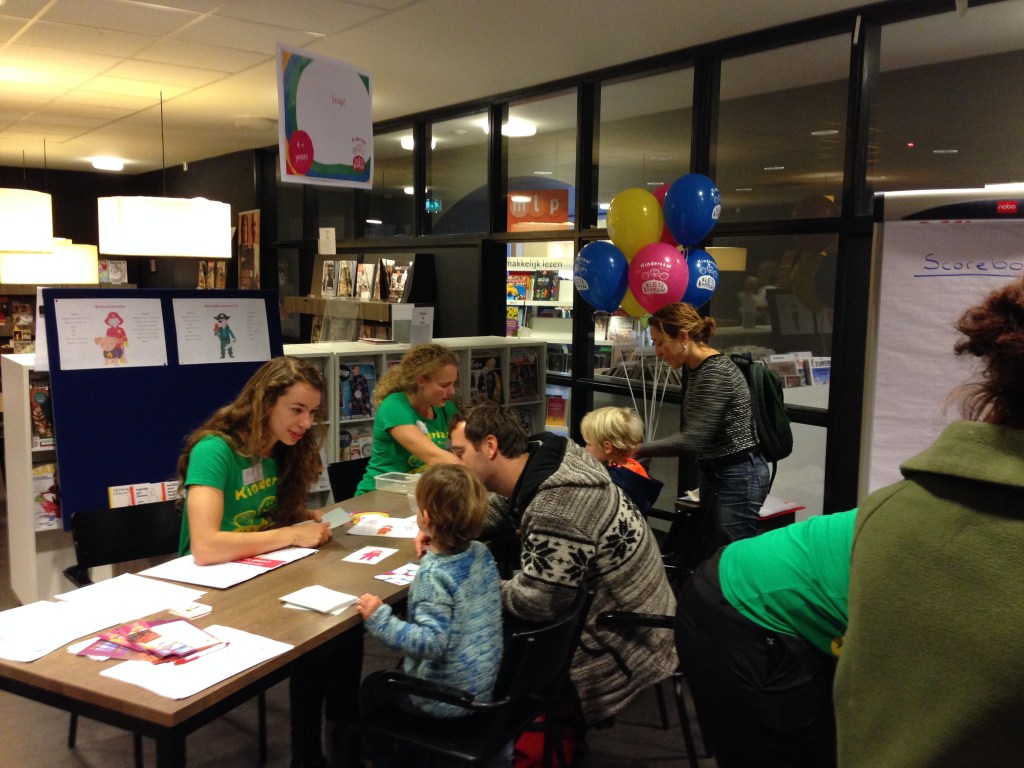
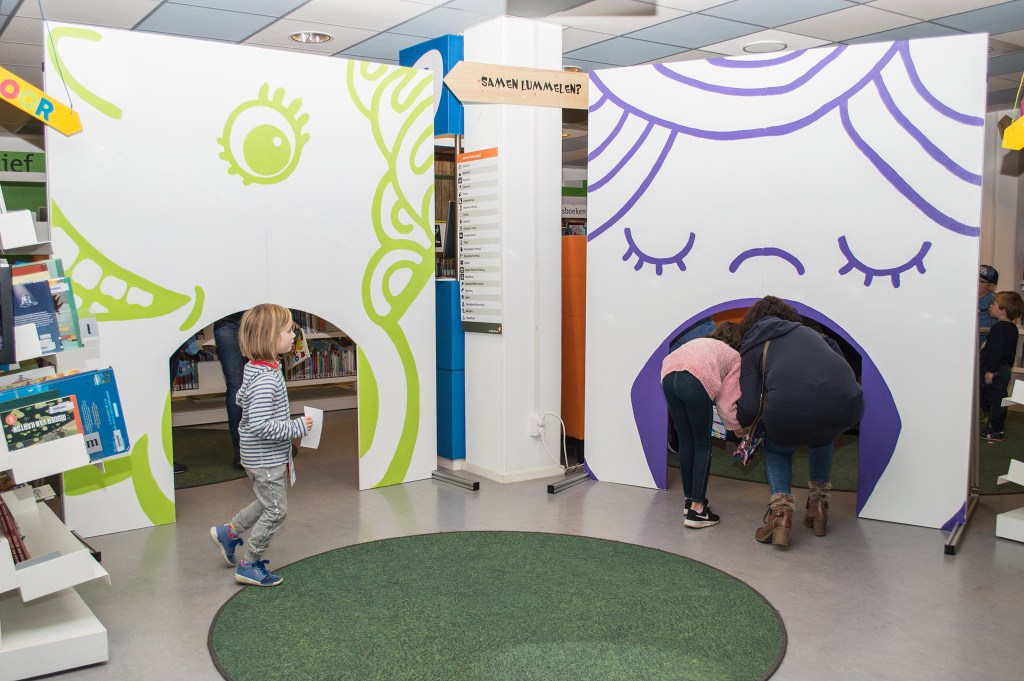
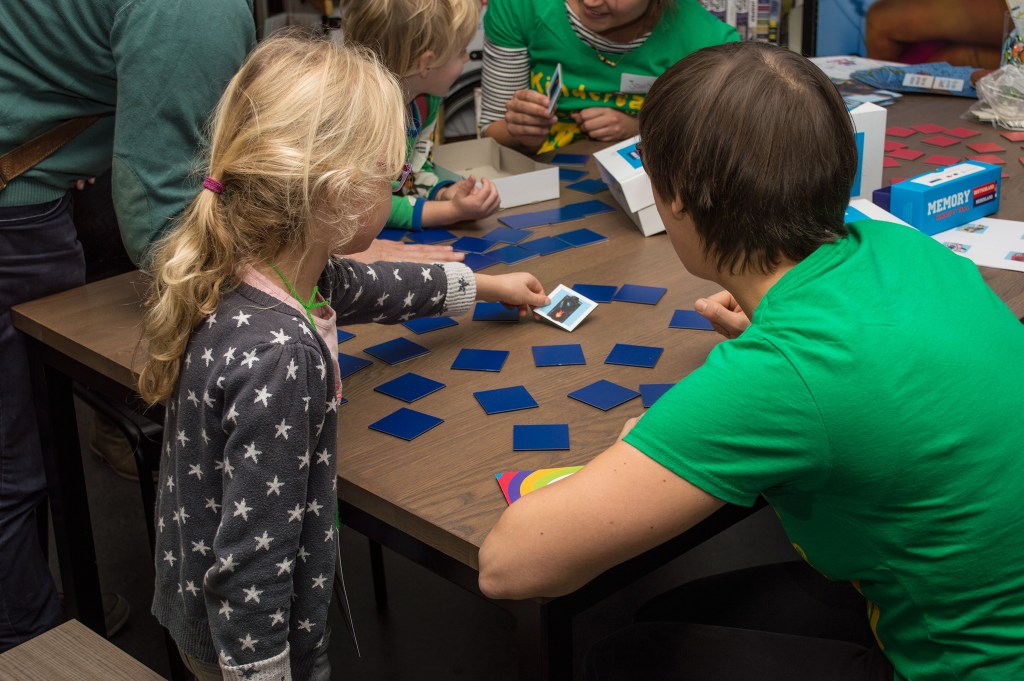
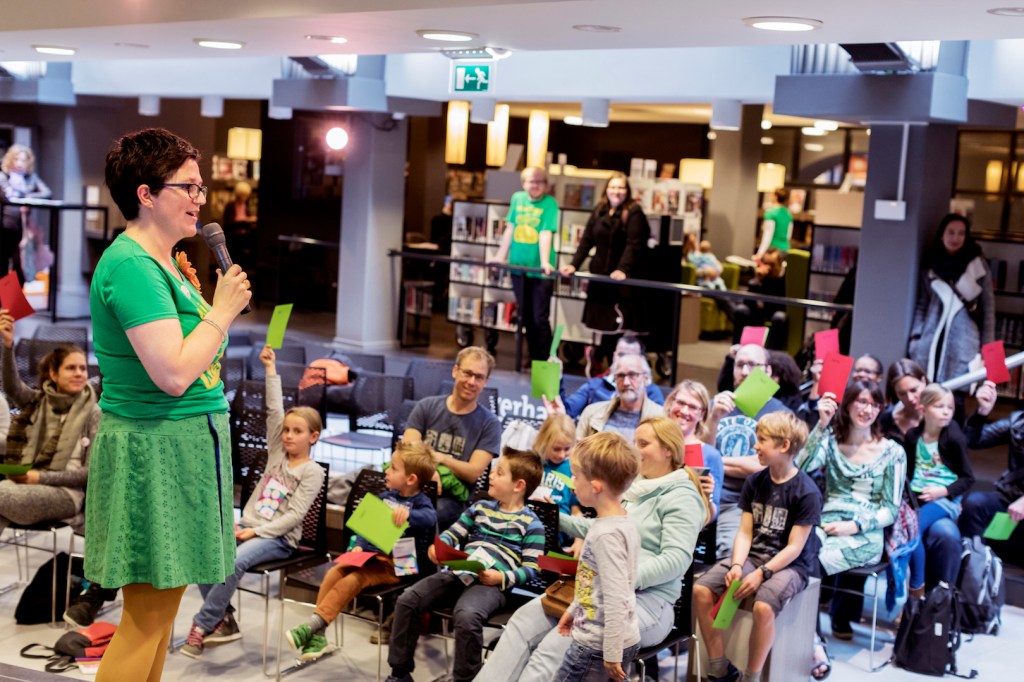
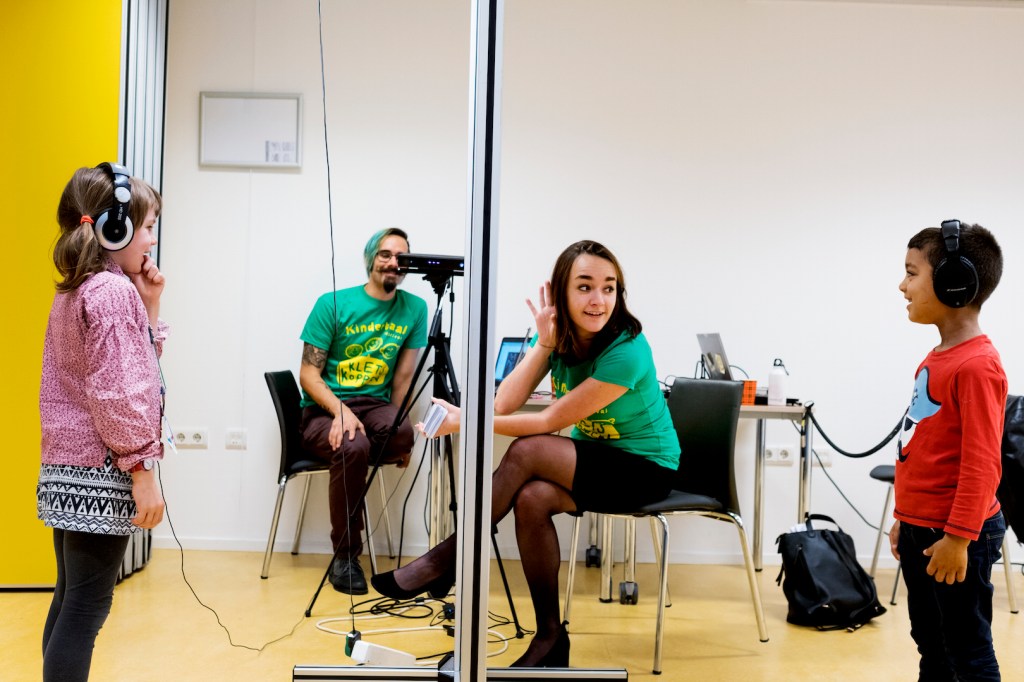
Together with colleagues at the Centre for Language Studies and Max Planck Institute for Psycholinguistics, I initiated the Kletskoppen “Chatterboxes” festival, an award-winning festival all about language, language science and multilingualism for children and their families. We also offer lessons (Kletskoppen in de klas) and our very own “escape box”, De Taalsteen (“The Language Stone”). Kletskoppen won the national prize for best science communication project in linguistics in 2022 (read the jury report (in Dutch) here), the Falling Walls Engage prize in 2023 as one of the top 20 science engagement projects from around the world, and in 2025 we were awarded the European Language Label for innovative and creative language education. Take a look at our website to find out more about our impact.


Kletsheads podcast
Kletsheads is the podcast all about bilingual children for parents, teachers and speech language therapists. What can you expect if you’re raising your children bilingually? What’s important? What will help your children’s language development and what won’t? In each episode, I discuss the science behind the language development of bilingual children with another expert. Along the way, there are practical tips, we hear from children about what it’s like growing up with two or more languages, and we talk to parents and professionals about their experiences with bilingual children. The Dutch edition is available at www.kletsheadspodcast.nl and the English edition at www.kletsheadspodcast.org). The last episode dropped in 2023 but all 87(!) are still available on the website or in your favourite podcast app.
Workshops & training
Research has however shown that raising children bilingually can have many advantages. Indeed, bringing up a bilingual child can be an exciting and rewarding experience, but it can sometimes require patience and self-discipline. It can also raise many questions. While we do not (yet) know the answers to all these questions, there are several clear-cut findings which have emerged from research with bilingual children in the past years. I regularly share these findings and my own experiences as a bilingual mum at workshops and informal talks for parents, teachers and other professionals. And in my podcast, Kletsheads. Contact me (sharon dot unsworth at ru dot nl) if you’d like me to give a talk or workshop.

Meertaligheid in beeld
In 2019 Gerrit Jan Kootstra and I won the national science communication prize in linguistics to develop a new project. We created three short animations about being bilingual, called Bilingualism in the picture (oftewel Meertaligheid in Beeld in het Nederlands). Originally intended for primary school children and their teachers, we heard that the clips were also being used for training pediatricians and speech language therapists, in other forms of education, and by teachers and health care professionals with parents. How wonderful it would be, we were told, if the animations were available in languages other than Dutch and English, so that they were accessible to parents who don’t speak those languages but who would benefit from the information they contain. On the back of this feedback, and after various corona-related delays, we launched three new languages in 2021: Turkish, Polish and Arabic (available via either of the websites listed above).
 Sharon Unsworth